Why the Lakers and Warriors Are Struggling Despite Superstar Rosters
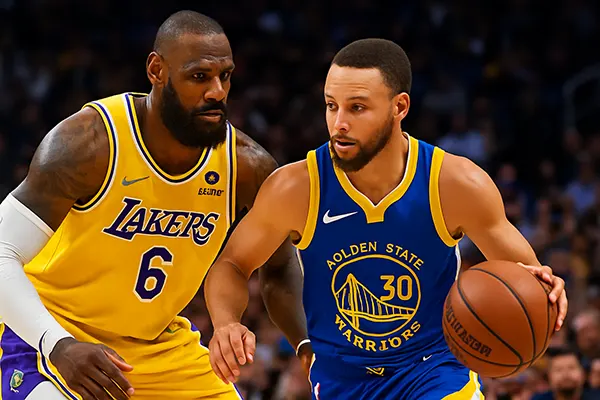
For more than a decade, the Los Angeles Lakers and Golden State Warriors have defined success in the NBA through championships, global recognition, and iconic superstars. Yet by 2025, both franchises face similar questions: why do teams built around legendary players increasingly fall short of expectations?
Ageing cores and physical decline
One of the most visible issues for both franchises is the biological reality of ageing. LeBron James and Stephen Curry remain elite talents, but neither can sustain peak performance across an 82-game season without managed minutes. The physical toll of long playoff runs over the years has accumulated, reducing consistency and availability.
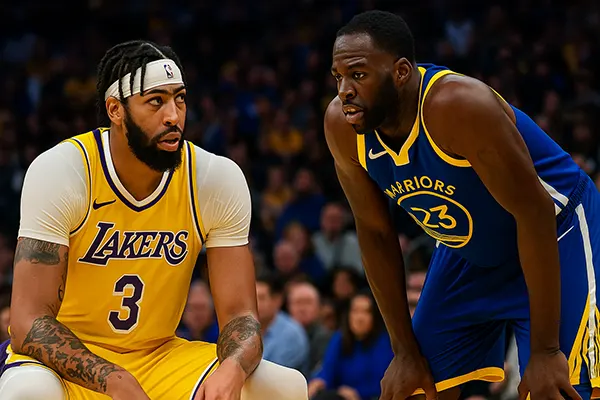
Anthony Davis and Klay Thompson represent another layer of the same problem. While still impactful, their injury histories force coaching staffs to limit rotations and adjust game plans constantly. This instability affects chemistry and rhythm, particularly against younger, faster opponents.
In a league that increasingly prioritises pace, spacing, and athletic versatility, reliance on veteran-heavy cores creates structural disadvantages. Experience still matters, but physical decline narrows the margin for error.
Load management and its side effects
Load management has become essential rather than optional for these teams. Scheduled rest nights and minute restrictions help preserve stars for critical moments, but they also disrupt continuity. Line-ups change frequently, making it harder to develop automatic decision-making on both ends of the floor.
Role players are often asked to assume responsibilities beyond their natural strengths during these periods. This leads to inconsistent results and exposes roster depth limitations over extended stretches of the season.
Opponents, particularly younger teams, exploit these gaps with relentless tempo and defensive pressure, knowing that veteran squads cannot maintain intensity for four quarters every night.
Roster construction and salary cap constraints
Championship success comes at a financial cost. Both franchises committed long-term money to their core players, leaving limited flexibility under the salary cap. As a result, roster upgrades rely heavily on minimum contracts and short-term deals.
This approach increases risk. Veteran free agents often come with declining mobility, while younger, affordable players typically lack playoff experience. Striking the right balance has proven difficult for both front offices.
Meanwhile, rival teams benefit from rookie-scale contracts and deeper rotations, allowing them to withstand injuries and maintain defensive intensity throughout the season.
Limited margin for roster mistakes
When payrolls are top-heavy, even minor miscalculations become costly. A single underperforming rotation player can disrupt defensive schemes or spacing, particularly in high-leverage games.
Mid-season adjustments are also harder to execute. Trade assets are scarce, and draft capital is often already spent, reducing opportunities to address weaknesses once the season is underway.
This structural rigidity contrasts sharply with more flexible contenders that can adapt quickly to evolving league trends.
System fatigue and tactical predictability
Both teams rely on systems that have delivered championships, but longevity creates familiarity. Opponents now prepare extensively for these schemes, reducing their element of surprise.
The Warriors’ motion offence and the Lakers’ inside-out approach are still effective, yet no longer overwhelming. Defensive coordinators have years of data to exploit patterns and tendencies.
Without consistent personnel upgrades, systems risk stagnation, especially when execution drops even slightly.
Coaching adjustments under pressure
Coaches face a difficult balance between loyalty to proven concepts and the need for innovation. Drastic tactical changes can alienate veterans, while incremental tweaks may not be enough to regain competitive edge.
Experimentation during the regular season often comes at the cost of short-term results, increasing external pressure and media scrutiny.
In 2025, success increasingly depends on adaptability. Teams that evolve tactically while managing star workloads are better positioned to sustain contention over time.