
Cricket Betting: How Pitch Conditions Change the Advantage of Batting First
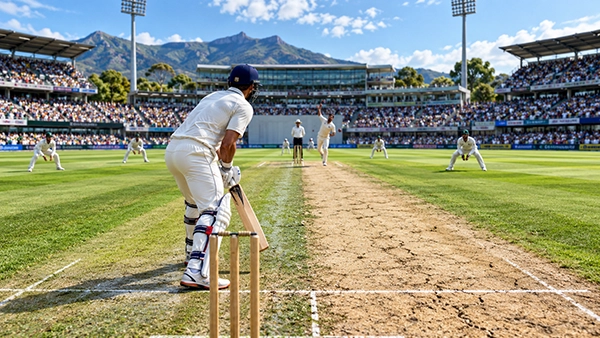
The decision to bat or field first can shape an entire cricket match, but the toss itself tells only part of the story. The condition of the pitch often determines whether batting first is a genuine advantage, a manageable risk or even the less attractive option. A hard, dry surface may offer reliable bounce early before becoming slower and more difficult as the match progresses, while a fresh pitch carrying moisture and grass can make the opening overs uncomfortable for batters facing a new ball. Evening dew can reverse the picture again by making the second innings easier for scoring. For cricket betting analysis, this means that the simple statistic of how often teams batting first win at a ground should never be treated in isolation. The surface, weather, match format, team composition and expected change in conditions all matter. Understanding these factors does not make a result predictable, but it provides a clearer explanation of why the value attached to batting first can change dramatically from one match to another.
Why the Pitch Can Change the Value of Batting First
A cricket pitch is not a fixed surface that behaves identically from the opening delivery until the final wicket. Its condition can change as it is exposed to sun, wind, foot traffic, rolling and repeated impact from the ball. This matters most in Test cricket, where the same strip may be used for five days, but noticeable changes can also occur during an ODI or T20. A hard pitch with an even covering of grass may initially provide predictable bounce and enough pace for batters to play through the line of the ball. If that surface becomes drier and rougher later, spin bowlers can gain more assistance and the ball may begin to grip rather than arrive smoothly onto the bat. In such circumstances, the side batting first can have the benefit of using the pitch when it is at its most reliable. The same logic cannot be applied automatically to every match, because some fresh surfaces are actually at their most difficult during the first hour.
The toss therefore has to be interpreted together with the surface rather than treated as a stand-alone advantage. Under the Laws of Cricket in force in 2026, the captain winning the toss chooses whether to bat or field, and that decision cannot be changed once it has been communicated. Captains normally make that choice after considering the pitch, recent weather, expected conditions later in the day and the strengths of their own side. A decision to field first on a visibly green surface can indicate an expectation of early assistance for pace bowlers, while batting first on a dry surface may show concern about deterioration later. The captain’s choice is useful information, but it is still an opinion rather than proof of what the pitch will do. Conditions can develop differently from forecasts, and a strong batting line-up can sometimes overcome a difficult first hour before benefiting from an improving surface.
Match format also changes how important deterioration becomes. In a Test, batting first can be particularly valuable when the pitch is expected to become progressively slower, rougher or less predictable over several days. The fourth innings may then be played on a surface that has already taken hundreds of deliveries. In a 50-over match, there is less time for severe structural wear, so changing moisture, temperature and dew may matter more than deep cracks. In T20 cricket, the pitch is used for only 40 overs in a completed match, which means deterioration during the game is often limited unless the surface was already dry or worn before play began. For that reason, a bettor analysing batting-first advantage should distinguish between long-term deterioration in Tests and shorter-term changes such as moisture loss or dew in limited-overs cricket.
Fresh Grass, Moisture and Early Seam Movement
A fresh pitch with visible grass is one of the clearest situations in which batting first may be less comfortable than usual. Grass can help the surface retain moisture, while a firm seam on a new cricket ball can respond to small irregularities when it lands. The result may be more lateral movement after pitching, particularly for accurate fast and medium-fast bowlers. If the morning is cool or overcast, the opening batters can face an especially demanding period because the ball is new, the pitch has not yet dried and bowlers are operating at full energy. This does not mean that every green pitch strongly favours bowling. A thick grass covering can sometimes hold a surface together and maintain pace and consistency rather than creating excessive movement. The important distinction is the combination of grass, underlying moisture, hardness and recent preparation, not simply the colour of the strip.
Moisture can make the first session especially important. A pitch that has been protected by covers after rain may still contain enough moisture below the surface to offer movement when play begins, even if no water is visible. As the sun and wind dry the strip, that assistance can reduce and batting may become easier. A side that chooses to bat first in those circumstances may therefore face a difficult opening spell before conditions improve. Losing several top-order wickets during that period can cancel the later benefit, whereas reaching the drier phase with wickets in hand can put the batting side in a strong position. This is why the first 30 to 60 minutes can reveal more about a fresh pitch than broad pre-match descriptions such as “good for batting” or “helpful for seam”. The actual amount of movement and the consistency of bounce provide more useful evidence.
For betting analysis, the key point is that an early bowling advantage does not necessarily last for the whole innings. A low opening score or two quick wickets may reflect temporary conditions rather than a surface that will remain difficult all day. At the same time, assuming that every moist pitch will improve can also be misleading. Persistent cloud cover, high humidity, a soft surface or high-quality seam bowling can keep pressure on the batting side for longer than expected. Team selection matters as well. A side with several skilled new-ball bowlers is better equipped to use a fresh surface than a team built mainly around spin. The condition of the pitch should therefore be considered alongside the bowlers available, the quality of the opening batters and the likely duration of the favourable bowling period.
Dry Surfaces, Wear and the Growing First-Innings Advantage
A dry, firm pitch often produces a very different calculation. When the surface is hard and evenly prepared, the ball can come onto the bat at a consistent height and pace during the early part of the match. Batters can trust the bounce, while fast bowlers may receive less lateral assistance than on a moist or heavily grassed strip. If the weather remains hot and dry, however, the pitch can gradually lose moisture and become more abrasive. Small pieces of the surface may loosen, footmarks can develop around the crease and the ball may begin to grip. In Test cricket this pattern is one of the main reasons captains frequently prefer to bat first on dry surfaces. Runs scored while the pitch is relatively stable can become more valuable if conditions deteriorate before the opposition has to bat in its final innings.
The term “dry pitch” still covers several different types of surface. Some dry pitches remain hard and reliable for a long period, producing high scores for both teams. Others are dry enough at the start to provide turn for spin bowlers immediately. A visibly dusty surface can lose its top layer more quickly, especially when temperatures are high. The ball may then slow after pitching, turn more sharply or occasionally bounce differently from what the batter expects. In that situation, batting first can remain attractive because later conditions may be even more demanding, but the first innings is not necessarily easy. A team facing strong spin bowling can still struggle from the start. The relevant question is not simply whether the pitch is dry, but whether it is expected to remain stable, become slower or deteriorate enough to make later batting substantially more difficult.
Limited-overs cricket requires a slightly different reading. In an ODI, a dry surface can become slower during the second innings, making timing more difficult and increasing the value of cutters, slower balls and spin. A target that looks moderate after the first innings can therefore become harder to chase if the ball stops coming cleanly onto the bat. In T20 cricket, even a small change in pace can matter because batters are expected to score quickly rather than wait for easier deliveries. However, the short duration of a T20 means that severe pitch deterioration is much less common than in a Test. Previous use of the strip becomes particularly relevant. A surface that has already hosted matches during a tournament can begin a T20 in a more worn state than a newly prepared pitch, increasing the chance that slower bowling will influence the game from the opening overs.
When Cracks and Spin Make Chasing Harder
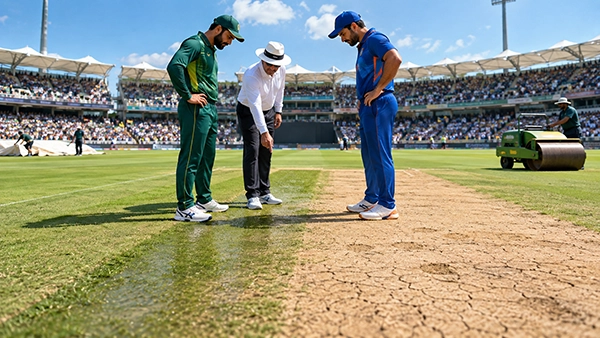
Cracks become important when a pitch dries enough for the surface to separate. Fine cracks are common and do not automatically create difficult batting conditions, but wider or uneven cracks can affect the way the ball behaves after pitching. A delivery that lands close to a crack may deviate, stay lower than expected or occasionally rise more sharply. The uncertainty is often more damaging to batters than the amount of movement itself because it becomes harder to predict which deliveries will behave normally. These effects usually become more relevant as a multi-day match progresses. That is one reason a first-innings total in Test cricket cannot be judged only by comparison with a ground’s long-term average. A score that appears modest on day one may become highly competitive if the surface is already showing signs that later batting will be less reliable.
Spin bowlers can benefit from wear in several ways. A dry surface creates more friction between ball and pitch, allowing deliveries with strong rotation to grip and change direction. Footmarks created by fast bowlers can also give spinners rough areas to target, particularly outside a batter’s off stump. As the match continues, these areas can become more pronounced. A team batting first can therefore gain an indirect advantage even when its first innings is not exceptionally high: its own spinners may later bowl on a more worn surface than the opposition’s spinners encountered earlier. The size of that advantage depends heavily on personnel. A side without accurate or threatening spin bowling may be unable to make full use of deterioration, while an opponent with technically strong players of spin may cope better than expected.
The scoreboard also changes how a deteriorating pitch is experienced. Chasing a target on a worn surface creates a fixed requirement, which can limit the amount of time batters are willing to spend simply surviving difficult periods. In Test cricket, a fourth-innings chase combines pitch wear with the pressure of knowing exactly how many runs are required. In an ODI or T20, the required run rate can have an even stronger effect. A slow pitch may force batters to take risks because waiting for ideal scoring opportunities is not always possible. This does not mean that the team batting first automatically has the stronger position on every dry surface. A weak first-innings total can still be chased, and some pitches remain remarkably consistent. The useful approach is to connect visible deterioration with the size of the target, the quality of the bowling attack and the batting skills of the chasing team.
Why Weather and Match Format Can Reverse the Picture
Pitch deterioration is only one side of the equation because weather can make later batting easier rather than harder. Dew is particularly important in day-night limited-overs matches. As temperatures fall after sunset, moisture can form on the grass and the ball can become wet. A damp ball is more difficult for bowlers, especially spinners, to grip consistently, while the surface may become slightly slicker and allow the ball to skid through. The outfield can also become quicker when wet grass reduces friction. These changes can favour a chasing team even when the pitch looked dry before the toss. The scale of the effect varies greatly between venues, seasons and individual evenings, so a historical reputation for heavy dew should not be treated as proof that the same conditions will appear in a particular match.
Rain and cloud cover can alter the balance in another direction. Rain before the start may leave moisture in the pitch, increasing early assistance for seam bowling once play begins. A team batting first may then face the hardest period of the match. Rain during a limited-overs fixture can also shorten the contest and change the target calculation under the applicable playing conditions. At that point, the advantage or disadvantage associated with the original pitch may become less important because both teams are operating under a reduced number of overs. In Test cricket, interruptions can preserve moisture for longer or reduce the time available for natural deterioration. A pitch originally expected to become difficult on the fourth and fifth days may not develop in the same way if substantial playing time is lost to rain.
Temperature, sunlight and wind should also be included in the assessment. Strong sun can dry a surface more rapidly, while cool conditions can slow that process. Wind can help remove surface moisture and may also affect bowlers, although its impact is less directly connected with the pitch itself. The timing of the match is therefore important. An early start after overnight rain may produce very different batting conditions from a dry afternoon on the same strip. Similarly, a T20 beginning in daylight and ending under lights can effectively contain two separate sets of environmental conditions. This is why a general venue trend such as “teams chasing usually perform well here” needs context. The matches behind that trend may have been played in different months, at different times of day and on pitches prepared in different ways.
How to Read Pitch Information Before and After the Toss
The most useful pre-match information is normally descriptive rather than predictive. Reports that mention a hard surface, visible grass, dry patches, cracks or previous use provide clues about how the pitch may behave. Weather information adds another layer: recent rain raises questions about moisture, sustained heat can accelerate drying, and an evening forecast may indicate whether dew is plausible. The toss then provides evidence about how the captains themselves have interpreted those conditions. If both sides have selected several pace bowlers and the toss winner chooses to field on a green surface, the expectation of early seam movement is clear. If a captain bats first on a dry pitch while fielding two specialist spinners, the team may be preparing to defend a total as the surface wears. Neither decision guarantees that the expected pattern will occur, but each adds context to the pre-match assessment.
The opening overs are the first opportunity to test those assumptions against actual play. The amount of seam movement, the height of the bounce, the pace of the ball off the surface and the ease with which batters time their shots are all more informative than the appearance of the pitch alone. A surface described as green may prove comfortable once the new ball loses its initial hardness. A dry strip expected to turn sharply may instead remain slow but predictable. In limited-overs matches, the behaviour of slower balls and spin can indicate whether scoring is likely to become more difficult as the innings continues. Live conditions should therefore be treated as new evidence rather than forced into the original pre-match expectation. Pitch reading is an ongoing process because the surface and the ball both change during the match.
As of 2026, international cricket continues to treat pitch quality as an important part of the contest. ICC match referees assess surfaces used for Tests, ODIs and T20Is, while the Laws place pitch preparation before the match under the responsibility of the ground authority and its use and maintenance during the match under the control of the umpires. These rules help maintain an organised contest, but they do not make one pitch behave like another. For cricket betting, the practical lesson is that batting first should never be assigned a fixed advantage simply because a venue has a certain reputation or because a captain has won the toss. A stronger assessment combines the current surface, weather, match format, team balance and what happens during the first phase of play. Even then, pitch analysis describes probabilities and conditions rather than providing certainty about the result.